Nostalgia
Denmark Says Goodbye to Letter Delivery, Sparking Nostalgia

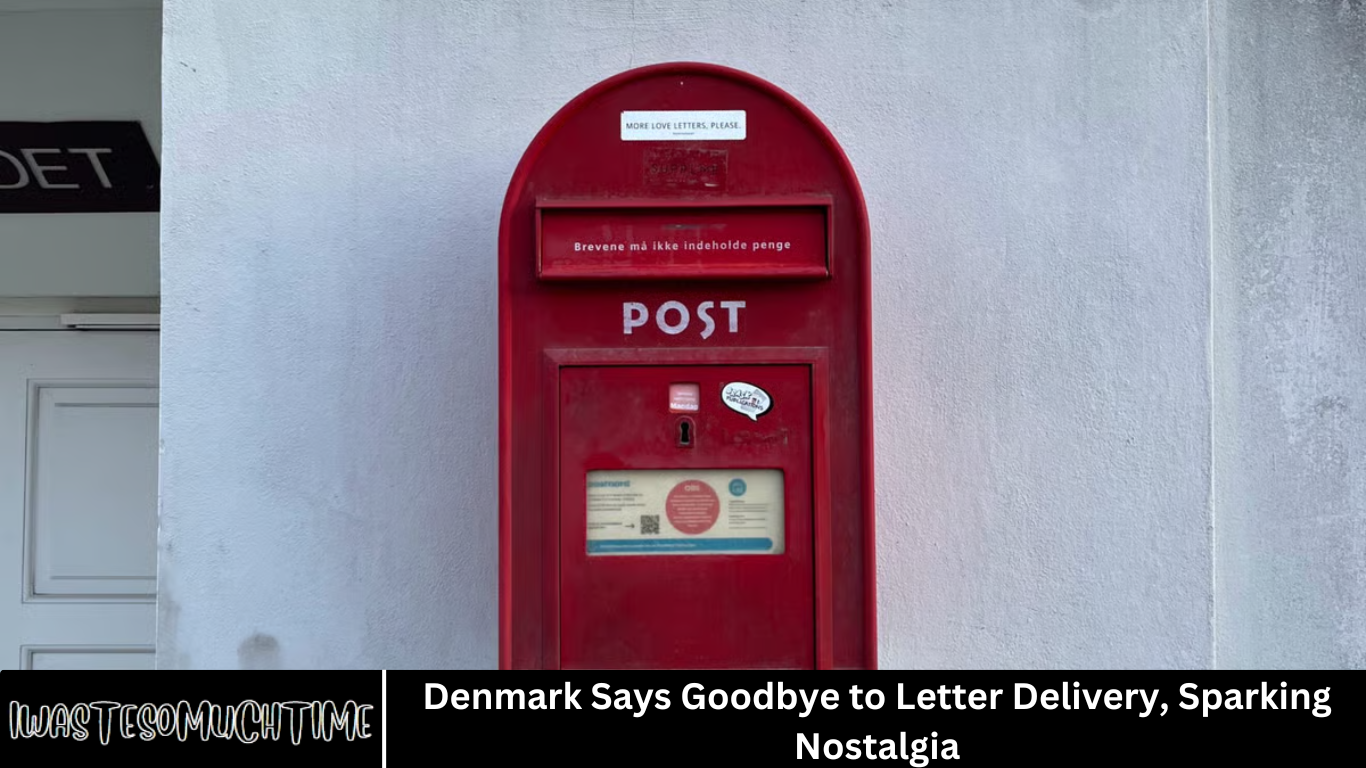
In a world that moves at an unprecedented pace, where emails, instant messaging, and social media dominate communication, the simple act of sending a letter has become a relic of the past. Denmark, a country known for its rich history, cultural heritage, and efficient infrastructure, has officially ended traditional letter delivery through its main postal carrier.
This decision, while practical in the digital age, has sparked waves of nostalgia among Danes who remember the days when letters were more than mere messages—they were personal connections, moments of anticipation, and tokens of thoughtfulness. For generations, receiving a letter meant more than just getting information.
It was a ritual that started with checking the mailbox, the careful unsealing of an envelope, and the slow unfolding of paper that carried the handwriting of a loved one, friend, or colleague. It was tactile, intimate, and deliberate—a stark contrast to the instantaneous nature of digital communication today.
The Legacy of Letter Delivery in Denmark
Letter delivery in Denmark dates back several centuries. Historically, postal services served as the backbone of communication across towns, villages, and rural areas. Before the age of telephones, and much before the rise of the internet, letters were the primary means of sharing news, expressing emotions, and maintaining social bonds. Danish households eagerly anticipated their daily post, and the local postal worker became a familiar and trusted figure, often visiting the same homes daily, rain or shine.
Over the decades, the postal service evolved in tandem with society. From horse-drawn carriages to bicycles, and eventually motorized vehicles, the journey of a letter reflected the country’s technological and societal progress. Yet, despite modernization, the essence of letter delivery remained the same: it was personal, thoughtful, and deliberate. For many older Danes, a handwritten letter carries emotional weight that no digital message can replicate.
Even as email, texting, and social media gained popularity in the late 20th century, letters maintained a place of honor. Holiday greetings, birthday wishes, wedding invitations, and heartfelt apologies were traditionally sent in envelopes, carefully addressed and stamped. They served as permanent records of communication, unlike digital messages that can be deleted or lost in the vastness of cyberspace.
More Read: 50 Memes That Perfectly Capture the Chaos of HR
The Shift Toward Digital Communication
The decline of letter delivery in Denmark did not happen overnight. Over the last two decades, the rise of digital communication steadily reduced the volume of physical letters. Businesses transitioned to electronic invoicing and online notifications, while personal communication shifted toward emails, messaging apps, and social media platforms.
Younger generations, having grown up with technology at their fingertips, rarely experience the anticipation of a letter arriving in the mailbox. Statistics from the Danish postal system indicated a consistent decline in traditional letter volumes, dropping year after year as digital alternatives became more convenient, faster, and cost-effective.
The cost of printing, handling, and delivering letters began to outweigh the benefits, especially when compared to instant digital communication. For the postal carrier, maintaining daily delivery routes became increasingly inefficient and financially unsustainable.
Yet, even as efficiency dictated change, the cultural loss was palpable. Letters were more than communication—they were artifacts of personal expression, often decorated with stamps, drawings, or carefully chosen stationery. Their absence signals not only a shift in logistics but also a change in how Danes connect emotionally and socially.
Nostalgia and Emotional Connection
The news of Denmark ending letter delivery evoked nostalgia across generations. Social media platforms and local news outlets quickly became spaces where citizens shared their memories of letter writing. Elderly citizens recalled waiting for letters from distant relatives, the excitement of a first love letter, or the simple joy of receiving news from a friend abroad. Parents shared stories of teaching their children how to write and address envelopes, emphasizing the art of penmanship and the etiquette of correspondence.
This nostalgia is not just sentimental; it reflects a deeper human need for tangible, meaningful communication. Letters carry the personality of the sender—their handwriting, the pressure of the pen, even the scent of the paper. Unlike emails or texts, which can feel fleeting and impersonal, letters are physical manifestations of thoughtfulness and care.
In Denmark, as elsewhere, this intangible value resonates with people who yearn for slower, more intentional ways of connecting. The cultural impact extends beyond personal sentiment. Danish literature, art, and film often feature letters as symbols of intimacy, revelation, and memory.
The act of writing and receiving a letter is tied to storytelling and historical documentation, and its decline represents a shift in how narratives are preserved and shared. Museums and archives in Denmark hold collections of letters that chronicle personal and national histories, highlighting their significance in shaping collective memory.
Practical Implications for Society
Beyond nostalgia, ending letter delivery has practical implications. For older citizens, particularly those less familiar with digital communication, the transition poses challenges. Many rely on letters for receiving bills, official notifications, and correspondence from healthcare providers.
While digital alternatives exist, accessibility and digital literacy remain barriers for some. The postal carrier and government have acknowledged these challenges, offering support programs to help citizens adapt to the new system.
Businesses are also adjusting. Small enterprises that historically relied on postal mail for marketing, invoices, or customer communication must now transition entirely to digital channels. While this shift improves efficiency and reduces environmental impact, it also requires investment in digital infrastructure and cybersecurity measures.
The postal workforce, too, faces significant changes. Daily letter carriers who have spent decades on their routes must now adapt to new roles, focusing on parcel delivery or administrative tasks. This shift reflects broader trends in logistics, as e-commerce continues to expand and parcel delivery grows more critical than ever before.
Environmental and Economic Considerations
While the cultural loss is undeniable, the decision to end letter delivery aligns with environmental and economic considerations. Reducing the transportation of physical mail decreases fuel consumption, lowers carbon emissions, and reduces paper waste. In an era where climate change is a pressing concern, the move supports sustainability goals without compromising essential communication.
Economically, maintaining traditional letter delivery is costly. With declining volumes, the cost per letter increases, putting financial strain on the postal system. Transitioning to digital communication allows the postal carrier to allocate resources more efficiently, focusing on parcel delivery, logistics, and innovative services that meet modern needs.
The environmental benefits are particularly significant in Denmark, a country that has long prioritized sustainability and green initiatives. By phasing out letter delivery, Denmark reinforces its commitment to reducing environmental impact while encouraging citizens and businesses to embrace paperless communication.
Preserving the Legacy of Letters
Even as physical letter delivery ends, Danes are finding ways to preserve the tradition. Cultural initiatives, workshops, and museums celebrate the art of letter writing, encouraging younger generations to engage with this form of communication. Handwritten letters are increasingly appreciated as keepsakes, artistic expressions, or personal gifts, even if they are no longer part of daily mail routines.
Schools have introduced programs to teach students the value of handwriting, addressing, and composition. These lessons emphasize not only practical skills but also emotional intelligence, empathy, and attention to detail. Writing letters encourages patience, reflection, and careful thought—qualities that are often lost in rapid digital exchanges.
In addition, private services and subscription platforms allow individuals to send handwritten letters digitally. Customers can compose letters online, which are then printed and mailed on their behalf. While this hybrid approach cannot fully replicate the experience of traditional mail, it bridges the gap between convenience and sentimentality.
Global Context and Comparisons
Denmark’s shift is not unique. Across Europe and the world, postal systems are adapting to the digital age. Countries such as Sweden, Finland, and the Netherlands have already reduced or reorganized traditional mail delivery, while focusing on parcel logistics to meet the demands of e-commerce. In many cases, the end of daily letter delivery represents a broader transformation in communication, logistics, and societal habits.
Despite these global trends, the emotional response in Denmark is particularly strong. Danish society places a high value on tradition, personal connection, and community. Letters were woven into the daily lives of citizens, and their absence is felt not only as a logistical change but as a cultural milestone. Stories, memories, and sentiments tied to letters continue to be shared widely, highlighting the deep human need for tangible, meaningful communication.
The Future of Communication in Denmark
Looking ahead, Denmark is likely to embrace a hybrid model of communication. Digital platforms will dominate everyday correspondence, offering speed, convenience, and accessibility. At the same time, letters will transform into a cultural and artistic medium, valued for their emotional resonance and historical significance.
This transition also opens opportunities for innovation. Digital tools can preserve the personal touch of letters through customization, creative design, and thoughtful presentation. Apps and platforms may allow for digital handwriting, personalized envelopes, or even augmented reality experiences that merge physical and digital communication. While the medium may change, the underlying human desire to connect meaningfully remains constant.
Ultimately, the end of letter delivery in Denmark reflects a broader societal shift: the balance between efficiency and emotion, technology and tradition, speed and reflection. While the nostalgia for letters is real, it also serves as a reminder of the enduring human need for connection, care, and attention in communication.
Frequently Asked Question
Why did Denmark end letter delivery?
Denmark ended letter delivery because digital communication reduced demand, making traditional mail service costly and inefficient.
When did the change take place?
The change happened as part of a gradual transition, with the end of daily letter delivery taking effect recently.
How are people sending messages now?
Most people now use email, messaging apps, and digital platforms for communication.
What happens to mail that is still sent physically?
Physical mail is redirected through alternative services or consolidated delivery options, such as parcel-focused logistics.
How are older citizens affected?
Older citizens may face challenges adapting, but support programs and digital training help them transition.
Does Denmark still deliver parcels?
Yes, parcel delivery continues and is becoming the main focus of postal services.
Will letter writing disappear completely?
No. Letter writing will remain as a nostalgic, cultural practice and may be used for special occasions or keepsakes.
Conclusion
Denmark’s farewell to letter delivery is more than a logistical adjustment—it is a cultural moment that evokes nostalgia, reflection, and adaptation. Letters, once central to daily life, are now cherished as symbols of intimacy, patience, and thoughtfulness.
The decision to end traditional mail reflects practical, environmental, and economic realities, while also encouraging society to find new ways to preserve the emotional and cultural legacy of correspondence. As Danes embrace digital communication, the spirit of letters continues to inspire, reminding us that even in a fast-paced, technology-driven world, the value of thoughtful, personal connection endures.
While the mailbox may no longer bring daily surprises, the memories, traditions, and stories associated with letter writing will remain a cherished part of Denmark’s history—a testament to the timeless human desire to reach out, touch hearts, and leave lasting impressions through the written word.

McDonald’s has been experimenting with bold new ideas lately. From larger burgers to secret menu items, the fast-food giant is clearly trying to reignite excitement and drive sales. Yet despite the buzz, the brand’s plans for a full U.S. rollout remain unclear. This strategy shows McDonald’s willingness to take risks, but it also reveals how cautious the company has become in a competitive market.
As consumer habits evolve and food trends shift, McDonald’s faces the challenge of staying relevant. The company needs to capture attention without losing the familiar comfort that made it famous. In that sense, McDonald’s latest move feels like a careful blend of innovation and nostalgia.
Why Bigger Burgers?
Bigger burgers are not just a food trend; they are a marketing strategy. McDonald’s has historically relied on consistent products like the Big Mac and Quarter Pounder. Those staples attract loyal customers, but they rarely spark viral excitement. Larger burgers can generate more social media attention and create a new reason for people to visit.
Consumers today are looking for value, but they also want experiences. A larger burger offers both. It looks impressive, feels indulgent, and gives people something to talk about. It also allows McDonald’s to compete directly with brands that specialize in oversized, gourmet-style burgers.
Bigger burgers also align with the “premium fast food” trend. Many customers now want a quick meal that still feels like a treat. If McDonald’s can deliver a bigger burger that tastes great and feels premium, it could attract new customers while keeping existing fans.
More Read: Millennials Are Getting Hit with Nostalgia Over This 2008 Video
The Power of Nostalgia
Nostalgia is one of the most powerful tools in marketing. It connects people to memories, emotions, and simpler times. McDonald’s has always been strong at creating emotional connections through familiar products, iconic branding, and childhood memories.
The company’s nostalgic strategy goes beyond just bringing back old menu items. It taps into the emotional relationship customers have with the brand. Whether it’s a childhood visit to a McDonald’s restaurant or a late-night snack after a long day, McDonald’s holds a special place in many people’s lives.
Nostalgia also creates a sense of trust. When customers see something familiar, they feel comfortable. This emotional comfort can lead to more frequent visits and stronger brand loyalty.
Secret Menus: The Trend That Keeps Customers Guessing
Secret menus are a clever way to create excitement without a full-scale product launch. They give customers a sense of exclusivity, making them feel like insiders. When people discover secret menu items, they often share them online, generating free advertising.
Secret menus also allow McDonald’s to test new products without committing to a nationwide release. If an item gains popularity, the company can consider making it a permanent menu option. If it doesn’t perform well, the brand can quietly remove it without drawing attention.
This strategy is smart because it reduces risk while increasing engagement. It also encourages customers to visit more often to try new items. The more people talk about the secret menu, the more curiosity grows, and curiosity drives foot traffic.
A Bold Move, But Why Is the U.S. Rollout Uncertain?
Despite the buzz around bigger burgers and secret menu items, McDonald’s has not confirmed a full U.S. rollout. This uncertainty might seem confusing, but it reflects a cautious approach.
The U.S. market is highly competitive. Many fast-food brands are pushing innovation, offering gourmet options, and introducing limited-time products to drive sales. McDonald’s must ensure any new offering fits its brand identity and delivers consistent quality.
Additionally, supply chain and cost concerns might play a role. Larger burgers require more ingredients, higher preparation time, and increased operational effort. The company needs to ensure that these items can be produced efficiently across thousands of locations.
McDonald’s also has to consider customer expectations. The brand is known for speed and affordability. If bigger burgers slow down service or increase prices too much, customers might lose interest. The company needs to strike a balance between innovation and the core experience customers expect.
What This Means for McDonald’s Brand Strategy
McDonald’s current direction suggests the company wants to reconnect with customers through excitement and emotion. Bigger burgers, nostalgia, and secret menus all aim to create buzz and generate foot traffic.
This approach also signals a willingness to adapt. McDonald’s is not afraid to experiment with new concepts. The brand recognizes that customer expectations are shifting, and it is trying to meet them head-on.
At the same time, McDonald’s remains grounded in its core strengths. The company still focuses on affordability, speed, and convenience. The new strategies are built on top of these strengths rather than replacing them.
How Customers Are Reacting
Public reaction has been mixed, but mostly positive. Many customers enjoy the idea of bigger burgers because they feel more indulgent. Social media users also love the excitement of secret menus, which creates a sense of discovery.
However, some customers worry that bigger burgers might compromise quality or slow down service. Others wonder if the products will be worth the price. These concerns are valid, especially in a market where fast food is expected to be quick and affordable.
McDonald’s will need to address these concerns carefully. The company must ensure the new items deliver consistent taste and value. If customers feel disappointed, the excitement could fade quickly.
What Experts Think
Industry experts believe McDonald’s is taking a calculated risk. The company is trying to modernize its image while staying true to its legacy. This balance is difficult, but McDonald’s has the resources and experience to execute it successfully.
Experts also note that bigger burgers and secret menus are part of a broader trend in fast food. Customers want novelty, and brands are competing to offer the most exciting new options.
McDonald’s may be behind some competitors in terms of gourmet-style innovation, but it has one major advantage: scale. If McDonald’s can successfully introduce a new product nationwide, it can reach millions of customers instantly.
The Future of McDonald’s Menu
The future of McDonald’s menu is likely to be a mix of classic favorites and limited-time innovations. Bigger burgers and secret menu items might become a regular part of the strategy, used to generate excitement and keep the brand fresh.
Nostalgia will also continue to play a major role. McDonald’s has a powerful emotional connection with customers, and the brand will likely use that connection to drive loyalty and repeat visits.
The key for McDonald’s will be maintaining balance. Innovation must enhance the core experience without overshadowing it. Customers should feel excited about new items, but still trust that their favorite menu items remain consistent.
Frequently Asked Question
Why is McDonald’s introducing bigger burgers?
McDonald’s is testing bigger burgers to create excitement, attract new customers, and compete with premium fast-food trends.
What does nostalgia have to do with McDonald’s strategy?
Nostalgia helps McDonald’s reconnect with customers by reminding them of familiar favorites and childhood memories.
Are the bigger burgers available in the U.S. now?
No, the U.S. rollout remains uncertain and McDonald’s has not confirmed a nationwide launch yet.
What are secret menu items?
Secret menu items are unofficial or limited-time items that customers can order, often shared online for buzz and engagement.
Why is McDonald’s using secret menus?
Secret menus allow McDonald’s to test new products without a full launch, while generating excitement and free social media promotion.
Could bigger burgers affect service speed?
Yes, bigger burgers could slow down service if they require more prep time or complex assembly.
What will determine whether these items launch in the U.S.?
Customer demand, operational feasibility, ingredient costs, and consistency across locations will influence the decision.
Conclusion
McDonald’s move toward bigger burgers, secret menus, and nostalgic marketing shows a brand trying to stay relevant in a fast-changing market. The strategy makes sense because it combines innovation with emotional connection. The uncertainty around the U.S. rollout reflects careful planning.
McDonald’s wants to ensure any new product meets customer expectations and fits the brand’s identity. If executed well, this strategy could bring new energy to the brand and attract a new generation of customers. If it fails, the company risks losing trust from loyal customers who expect consistent quality.
A strange thing is happening online: millions of millennials are suddenly feeling a deep, almost painful nostalgia after watching a video from 2008. It’s not just a simple throwback or a funny meme. This video is triggering memories of a specific era — a time when the world felt simpler, technology felt new, and everyday life had a different rhythm.
But why does one old video have such a strong emotional pull? And why are millennials responding so intensely? Let’s explore what’s happening, why it matters, and what this says about the generation that grew up during the rise of social media, smartphones, and a world that changed faster than anyone expected.
The Viral Power of Nostalgia
Nostalgia isn’t new, but its power has changed. For millennials, nostalgia isn’t just a memory — it’s a shared experience. Growing up during the early internet era, this generation experienced culture in a way no other generation has.
That’s why when a video from 2008 resurfaces, it doesn’t just feel like “old content.” It feels like a portal back to a time before adult responsibilities, before constant news updates, before social media became a place of comparison. And that’s exactly what this video does.
More Read: Stranger Things Wraps Up with a Big Blast of Nostalgia
What Makes 2008 Feel So Different?
2008 was a unique year. It was the final stretch of the pre-smartphone era, and many people still used flip phones, early iPods, and bulky laptops. The internet was expanding, but it wasn’t yet the nonstop feed it is today.
Music, fashion, and entertainment all carried a distinct tone — one that millennials remember with surprising clarity. The trends felt “fresh,” not curated. The internet felt like a community, not a marketplace.
So when a 2008 video reappears, it brings back more than images. It brings back the feel of that era:
-
The way people dressed
-
The way people talked
-
The way life seemed slower
-
The way social interaction felt more genuine
That’s why millennials aren’t just watching the video. They’re reliving a moment in time.
The Video That Sparked the Wave
The video that sparked this wave of nostalgia isn’t just old — it’s iconic. It features early internet culture, early viral trends, and the type of energy that defined that era. Many viewers have said it feels like watching a time capsule.
Even if the video is simple or low-quality by today’s standards, that’s part of the appeal. The imperfections remind viewers that the internet once felt more raw, less polished, and far less commercial.
The video doesn’t need to be complex to be meaningful. In fact, its simplicity is part of the reason it resonates so strongly.
Why Millennials Respond So Strongly
Millennials are at a unique life stage. Many are now in their 30s and 40s. They’re facing the realities of adulthood: careers, mortgages, parenting, and the pressure of maintaining a life while keeping up with constant change.
For many, the 2008 era represents a time before adult life fully took over. It’s a memory of freedom — a time when the biggest worries were school, friendships, and the future.
Watching a 2008 video can create a strong emotional reaction because it reconnects people to:
-
Their younger selves
-
A simpler lifestyle
-
The feeling of possibility
It’s not just nostalgia — it’s longing for a version of life that feels lost.
The Emotional Impact of “Internet Nostalgia”
The rise of social media has changed how we remember things. Before, nostalgia was private. Now, nostalgia spreads quickly because millions of people share the same memories online.
When a video from 2008 goes viral, it becomes a communal experience. Millennials don’t just feel nostalgic alone — they feel it together. That shared experience strengthens the emotional impact.
It becomes a moment of unity, a reminder that even though life has changed, they still share the same memories.
The Role of TikTok, YouTube, and Social Media
Social media platforms play a huge role in the nostalgia trend. TikTok, especially, has turned nostalgia into a cultural movement. The app’s algorithm promotes content that triggers emotional reactions, and nostalgia is one of the most powerful triggers.
On TikTok, videos that reference early internet culture, old TV shows, and old music quickly become popular. Millennials flock to them because they feel personally connected to those moments.
Even YouTube plays a part. The platform is a treasure trove of archived content from the early internet era. Many millennials use YouTube as a time machine, searching for old clips, commercials, and viral moments from their childhood.
This video from 2008 became viral again because it was shared across platforms, sparking a wave of comments like:
-
“This takes me back.”
-
“I forgot this even existed.”
-
“I remember watching this in high school.”
That kind of response shows the power of nostalgia in a digital age.
Why the Video Feels Like “A Different World”
One reason this video hits so hard is that it feels like it belongs to a different world. The internet looked different. People communicated differently. Life felt less dominated by online identity and more rooted in real-world experiences.
In 2008:
-
You couldn’t instantly share everything
-
You couldn’t constantly compare your life to others
-
You didn’t feel pressured to perform online
-
You could enjoy content without thinking about likes or followers
That sense of freedom is part of what makes the video feel like a lost era.
The Hidden Meaning Behind the Nostalgia
Nostalgia isn’t just about remembering the past. It’s also about coping with the present. Many millennials are dealing with uncertainty, burnout, and the pressure of a world that seems to move too fast.
Nostalgia offers a temporary escape — a safe place where life felt simpler. When people watch the video, they aren’t just remembering 2008. They’re seeking comfort.
That emotional need explains why nostalgia content performs so well online. It offers relief from anxiety and stress.
The Bigger Cultural Trend: “Back Then Was Better”
The popularity of this 2008 video highlights a larger cultural trend: the idea that the past was better. This mindset isn’t exclusive to millennials, but it’s especially strong among this generation.
Many millennials grew up during a time of rapid change. They watched the world transform in front of their eyes:
-
Technology evolved faster than ever
-
The job market became more competitive
-
Social expectations changed
-
The cost of living increased
For many, the past feels like a safe place. The future feels uncertain. So nostalgia becomes a way to reclaim control — even if only emotionally.
Why Brands and Media Use Nostalgia
Nostalgia is powerful, and brands know it. That’s why marketing often leans into nostalgia when targeting millennials. Companies bring back old products, reboot old shows, and recreate retro aesthetics to connect with the emotional memories of this generation.
The success of this 2008 video shows why nostalgia is effective:
-
It creates an emotional connection
-
It triggers memories
-
It builds shared cultural identity
-
It encourages engagement
In a world where attention is limited, nostalgia is a shortcut to emotional impact.
What This Means for Millennials
For millennials, this wave of nostalgia reveals something important: they are craving connection and comfort. They are also seeking a reminder of what life felt like before responsibilities took over.
Watching the 2008 video isn’t just entertainment — it’s a moment of reflection.
It shows that:
-
The past still matters
-
Shared memories shape identity
-
Nostalgia is a natural response to stress
-
Millennials still value authenticity
The Future of Nostalgia
As millennials continue to age, nostalgia will likely grow stronger. The internet will keep revisiting older content, and younger generations will discover it through new platforms.
The 2008 video that sparked this trend might become just one example of a broader cultural movement. Soon, we’ll see more videos, songs, and trends from that era returning to the spotlight.
And that’s not a bad thing. Nostalgia can be healing. It can reconnect people to their younger selves and remind them that life once felt exciting and hopeful.
Frequently Asked Question
Why are millennials feeling nostalgic about a 2008 video?
What makes 2008 content so emotionally powerful?
Why did this video go viral again?
Is the nostalgia just about the video itself?
Why do people feel homesick for a time they can’t return to?
What does this say about millennials as a generation?
Will this nostalgia trend continue?
Conclusion
The resurgence of a 2008 video has shown that nostalgia still holds a powerful influence over millennials. More than just a throwback, it acts as a reminder of a simpler era—one where life felt less complicated, and the internet still felt like a shared community.
As this generation navigates adulthood in a world that changes faster than ever, these moments of collective memory offer comfort, connection, and a chance to revisit the feelings of youth. The emotional impact of this video proves that while time moves forward, the past continues to shape who we are—and what we long for.
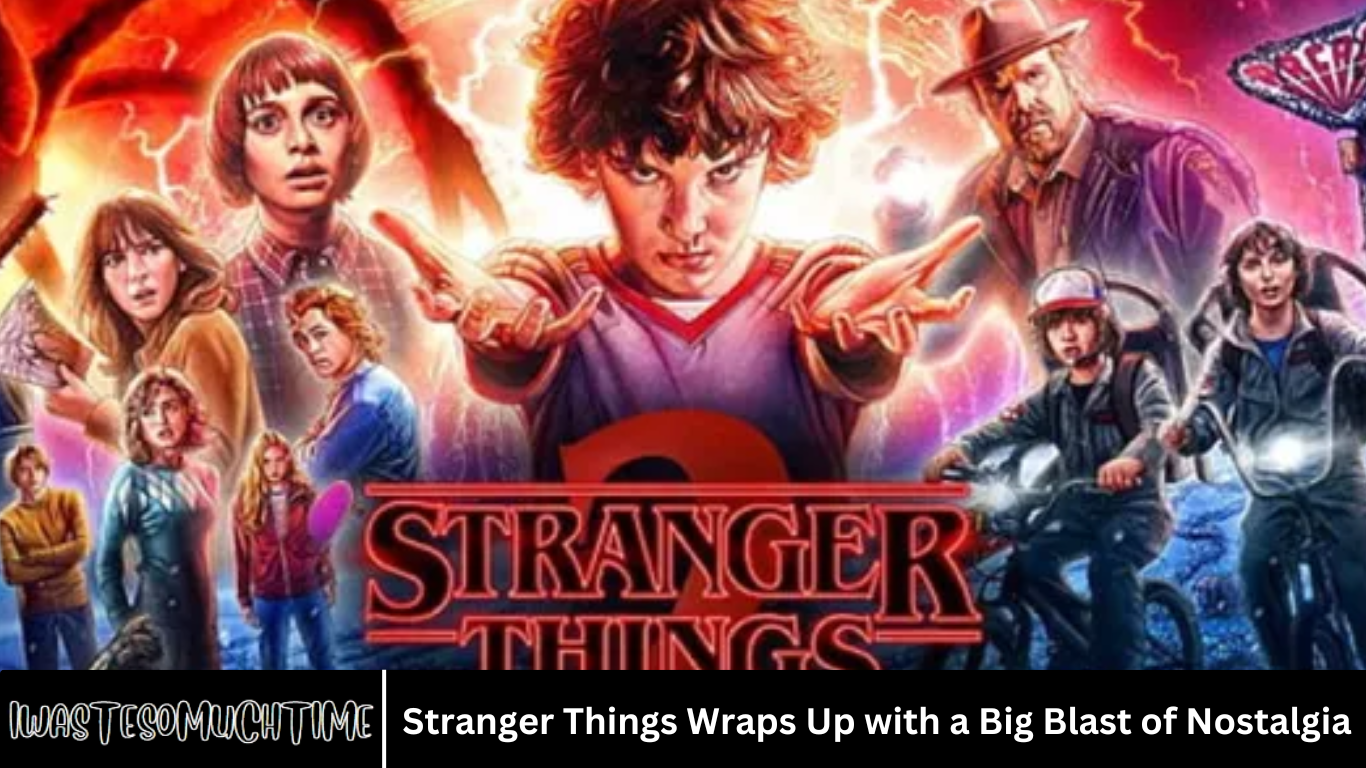
The world of Hawkins, Indiana, has been a cultural phenomenon for almost a decade, and with the conclusion of Stranger Things, fans find themselves saying goodbye to more than just a show. They are parting with a series that has successfully captured the essence of the 1980s while blending horror, science fiction, and heartfelt storytelling into a universe that feels alive.
Stranger Things’ finale does not merely close a story; it delivers an overwhelming dose of nostalgia that resonates on multiple levels, from its soundtrack to its storytelling style, from its character arcs to the subtle nods to 80s pop culture that made viewers fall in love in the first place.
The journey of Stranger Things has always been more than supernatural battles or government conspiracies. It thrives on its ability to connect audiences with the innocence, wonder, and sometimes terrifying experiences of growing up.
Nostalgia as a Narrative Force
Nostalgia is a powerful storytelling tool, and Stranger Things has used it as a core ingredient in every season. The finale embraces this fully, reminding viewers why they fell in love with the series in the first place. References to 1980s pop culture, from movies and music to arcade games and fashion, are not superficial Easter eggs; they reinforce the era and the emotional texture of the narrative.
Fans encounter these elements not just as a nod to the past but as a bridge to their own memories. The soundtrack of the series has always been integral to its nostalgic appeal. In the finale, the selection of tracks hits a delicate balance between evoking a specific time period and enhancing emotional resonance.
Synth-heavy melodies, classic rock, and hauntingly familiar scores transport viewers back decades while amplifying the tension, sorrow, and triumph in each scene. Music, in this sense, becomes a storytelling device, merging past and present and ensuring that every dramatic moment carries emotional weight.
More Read: Why Back to the Past Has Hong Kong Missing the 2000s
Character Journeys and Emotional Resonance
Central to the nostalgic pull of Stranger Things is its cast of characters. Eleven, Mike, Dustin, Lucas, Will, Max, and the ensemble of supporting characters have grown alongside the audience, and the finale leans heavily on these long-term character arcs.
Eleven’s journey from a frightened, mysterious girl with extraordinary powers to a confident young woman embracing her identity mirrors the audience’s emotional investment. The finale’s focus on her relationships, especially her bond with Mike and friendships with others, creates a sense of closure that feels earned.
Other characters receive similarly poignant send-offs. Mike, once the boy desperate to find his missing friend, emerges as a grounded presence, embodying loyalty and love. Dustin, with his humor and heart, reminds viewers of the joy of childhood and the enduring value of friendship.
Will’s story, often defined by trauma and struggle, culminates in acceptance and growth, reflecting themes of resilience and the complexities of adolescence. Each narrative resolution contributes to the nostalgic tapestry, allowing the audience to reflect on their own journeys while celebrating the characters’ growth.
The 1980s Pop Culture Explosion
One of Stranger Things’ most significant achievements lies in its ability to recreate the 1980s in vivid detail. From costumes and hairstyles to arcade cabinets and cassette tapes, the show immerses viewers in the aesthetics of the era.
The finale leans heavily into these visual cues, creating a familiar and comforting world for those who experienced the decade firsthand and a compelling, meticulously crafted setting for younger audiences. Movies like The Goonies, E.T., and Ghostbusters are not just referenced; they inform the narrative structure, humor, and dynamics between characters.
Scenes echoing 1980s cinematic tropes, such as epic group adventures, tense confrontations with shadowy forces, and tender first romances, generate a sense of continuity with both the decade and the series itself. Even the smallest details, such as soda cans or posters on bedroom walls, contribute to an immersive experience that blurs the line between fiction and memory.
Balancing Horror and Heart
While nostalgia is a dominant theme, Stranger Things has never shied away from horror and suspense. The finale maintains the series’ signature tension, with creatures from the Upside Down, government conspiracies, and unpredictable dangers keeping viewers on edge.
What makes the horror effective is its integration with human emotions. Scares are not purely for shock value; they serve to deepen understanding of the characters, their fears, and their resilience. The interplay between fear and nostalgia heightens the emotional stakes, making victories sweeter and losses more impactful.
Visual Storytelling and Cinematic Craft
Cinematography has always been a hallmark of Stranger Things, and the finale takes visual storytelling to new heights. Lighting, color palettes, and framing are carefully designed to evoke the 1980s while enhancing narrative tension. Dimly lit corridors, neon signage, and shadowy forest scenes are not just stylistic choices—they reflect the emotional landscape of the story.
Directors utilize wide shots to capture the scope of adventures and tight close-ups to convey intimacy and vulnerability. This combination reinforces nostalgia by visually recalling the cinematic styles of past decades while maintaining a contemporary sense of drama.
Themes That Transcend Time
Beyond aesthetic nostalgia, the Stranger Things finale resonates because of universal themes. Friendship, loyalty, love, courage, and identity are central motifs that remain relevant regardless of era. The show explores how relationships evolve, how communities respond to crises, and how individuals confront both external and internal monsters.
By focusing on these themes, the finale creates a sense of timelessness, allowing nostalgia to operate on multiple levels—viewers reminisce while connecting deeply with human experiences that never go out of style.
Fan Engagement and Cultural Impact
The cultural phenomenon of Stranger Things extends beyond the screen. Fans have embraced the series through cosplay, themed events, merchandise, and online communities. The finale provides a shared moment for global audiences, a culmination of years of collective excitement, speculation, and emotional investment.
Social media erupted with tributes, analyses, and reactions, reinforcing the idea that Stranger Things has become more than a series; it is a cultural touchstone. The nostalgic appeal intensifies this connection, reminding fans of both the 1980s and the early days of the show itself.
Clever Use of Humor and Levity
While the series can be dark and intense, humor has always tempered the tension, and the finale delivers laughs alongside dramatic moments. Characters like Dustin and Steve provide comedic relief that feels organic rather than forced, offering viewers moments of joy that echo the carefree aspects of childhood.
This balance of horror, emotion, and humor is part of the nostalgic magic: it mirrors the experience of watching classic films where scares and laughter coexist seamlessly.
Narrative Closure and Open Possibilities
The finale masterfully balances resolution with the suggestion of ongoing adventures. While major character arcs conclude, hints of new challenges and untold stories linger. This approach honors the audience’s desire for closure while leaving room for imagination.
Nostalgia here functions in two ways: it celebrates what has come before and plants seeds of future memory-making. The ending provides emotional satisfaction without feeling constricted, a rare accomplishment for a long-running series.
The Role of Technology and Practical Effects
Stranger Things’ commitment to authenticity extends to its effects work. The finale showcases a combination of practical effects and cutting-edge CGI, blending tangible horror with visually stunning sequences. Practical creature designs evoke memories of 1980s monster films, while modern technology enhances scale and believability.
This careful mix ensures that the series maintains retro charm without sacrificing contemporary production quality, further strengthening the nostalgic connection.
Emotional Peaks and Heartfelt Moments
The finale thrives on emotional peaks, from tearful reunions to moments of triumph and loss. Characters confront fears, mend relationships, and embrace identities, creating a narrative rhythm that mirrors real-life experiences.
These moments resonate because they feel earned; the audience has witnessed struggles, growth, and heartbreak over multiple seasons. Nostalgia becomes more than a stylistic choice—it becomes emotional resonance, tying memories to the unfolding story.
Lessons Learned from Stranger Things
Stranger Things’ finale reminds audiences of the enduring power of storytelling that balances heart, horror, humor, and nostalgia. It demonstrates that revisiting the past can create profound emotional experiences, not just surface-level enjoyment.
The series emphasizes empathy, courage, friendship, and resilience, teaching lessons that extend beyond entertainment. By embracing nostalgia thoughtfully, it validates the audience’s memories while crafting a story that remains compelling and meaningful.
Frequently Asked Question
What makes the Stranger Things finale feel so nostalgic?
The finale uses classic 1980s music, fashion, movie references, and emotional character moments that echo the era’s iconic films and storytelling style.
Does the ending honor the main characters’ journeys?
Yes. The finale delivers meaningful closure for key characters, showing growth, friendships, and emotional resolutions that feel earned.
Is the nostalgia just for fans who grew up in the 80s?
No. The show recreates the era so well that even younger viewers feel the nostalgia through its style, storytelling, and emotional themes.
How does the finale balance horror with emotional moments?
The finale blends intense supernatural threats with heartfelt scenes, making scares feel personal and emotionally impactful.
Are there any big 80s pop culture references in the finale?
Yes. The finale includes nods to classic films, music, and arcade culture, all woven naturally into the story rather than feeling forced.
Does the ending leave room for future stories?
While the main story wraps up, the finale hints at new possibilities, keeping the world open for potential future adventures.
What is the biggest takeaway from the Stranger Things finale?
The finale proves that nostalgia works best when it supports strong characters and emotional storytelling, not just retro aesthetics.
Conclusion
Stranger Things Wraps Up with a Big Blast of Nostalgia is not just a statement about the finale; it encapsulates the essence of the series as a whole. The show captures the spirit of the 1980s, the emotional complexity of growing up, and the timeless appeal of friendship, courage, and love. By blending horror, humor, heartfelt storytelling, and meticulous attention to detail, the finale delivers a satisfying and emotionally rich conclusion that leaves a lasting impression.
Fans will remember Hawkins, the Upside Down, and the characters who became friends, siblings, and family across years of shared viewing. More than anything, the finale reminds audiences why nostalgia matters—not as a gimmick, but as a bridge to emotions, memories, and timeless stories. Stranger Things ends its journey with both reverence for the past and a recognition of the ongoing human experience, proving that the best nostalgia is not just about looking back—it’s about feeling deeply in the present.

How to Follow Live Sports Without Missing the Details

Thomas A. McKinney on Why Employees Should Understand Their Legal Rights Early
Enhancing Intimacy: A Modern Guide to Personal Wellness Products

15+ Funny Cat Memes To Play With (+ Ember Tax, Of Course)

Weekly Dose of Wholesome Memes to Take it Easy

97 Memes You Need To Send To Your Group Chat Right Now
-
 Funny Memes3 years ago
15+ Funny Cat Memes To Play With (+ Ember Tax, Of Course)
-
 Funny Memes3 years ago
Weekly Dose of Wholesome Memes to Take it Easy
-
 Funny Memes9 months ago
97 Memes You Need To Send To Your Group Chat Right Now
-

 Best9 months ago
18 Top Free AI Courses You Can Take Online
-
Entertainment Memes7 months ago
Bola Slot – Ultimate Online Gambling Experience
-

 Best9 months ago
Texans’ Defense Powers Team Past Steelers Into Divisional Round
-
Random9 months ago
This Memphis Restaurant Earned a Spot on Southern Living’s Best Wings List
-

 Random9 months ago
Top 25 Public Golf Courses with Premier Amenities – 2026 Golfers’ Choice