
Best
The Best-Dressed Celebrities at the 2026 Golden Globes


Table of Contents
The 2026 Golden Globes delivered a red-carpet spectacle that reminded the fashion world why awards season still commands global attention. Hollywood’s most influential celebrities stepped into the spotlight wearing designs that blended craftsmanship, personality, cultural storytelling, and forward-thinking glamour.
This year’s Golden Globes fashion leaned into elegance with edge, offering dramatic silhouettes, sculptural tailoring, bold color stories, and couture-level detail that set the tone for the entire awards circuit. From established style icons to breakout stars defining a new generation of fashion leadership, the best-dressed celebrities at the 2026 Golden Globes transformed the red carpet into a living runway.
Designers pushed creative boundaries while honoring timeless sophistication, resulting in looks that felt both modern and enduring. Every gown, suit, and accessory choice told a story about identity, confidence, and artistic intention.
Red Carpet Fashion Trends That Defined the 2026 Golden Globes
Fashion at the 2026 Golden Globes reflected a noticeable shift toward intentional styling. Instead of chasing shock value, celebrities embraced refinement paired with individuality. Structured corsetry, fluid draping, sculpted shoulders, elongated trains, and couture embroidery dominated the evening. Color palettes ranged from jewel tones and classic black to ethereal whites, metallic silvers, and deep romantic reds.
Sustainability also played a visible role. Several celebrities wore custom pieces crafted with ethical sourcing, vintage couture revivals, or recycled luxury fabrics. This conscious approach elevated the meaning behind each look, proving that style leadership now extends beyond aesthetics alone.
More Read: I Moved from California to Austin, and I Don’t Regret It for a Second
Zendaya Redefines Modern Glamour
Zendaya once again proved her status as one of Hollywood’s most influential fashion figures. She arrived wearing a custom gown that balanced old-Hollywood glamour with futuristic design. The silhouette hugged the body with precision, featuring sculpted lines that highlighted movement and confidence. Luxurious fabric shimmered subtly under the lights, while minimal jewelry allowed the craftsmanship to remain the focal point.
Her styling felt effortless yet powerful. Every detail, from hair to makeup, reinforced her reputation for fearless elegance. Zendaya’s Golden Globes appearance instantly became a benchmark for red carpet excellence.
Timothée Chalamet Pushes Menswear Forward
Timothée Chalamet delivered one of the most talked-about menswear moments of the night. Known for challenging traditional red carpet norms, he wore a sharply tailored ensemble that fused classic structure with contemporary flair. Clean lines, unexpected fabric texture, and refined embellishments elevated the look beyond standard formalwear.
His styling demonstrated how modern menswear continues to evolve through bold choices rather than excess. The look captured confidence, creativity, and a clear understanding of fashion as self-expression.
Margot Robbie Channels Timeless Sophistication
Margot Robbie embraced classic Hollywood glamour with a look that felt both nostalgic and current. Her gown featured a graceful silhouette enhanced by meticulous tailoring and luxurious fabric selection. Soft draping added movement, while subtle detailing reflected couture-level precision.
The styling complemented the gown perfectly, allowing elegance to lead without distraction. Margot’s appearance reinforced her status as a red carpet mainstay who understands the power of simplicity executed at the highest level.
Florence Pugh Makes a Fearless Fashion Statement
Florence Pugh arrived at the 2026 Golden Globes wearing a daring yet refined ensemble that captured attention immediately. The design played with structure and fluidity, creating a powerful visual contrast. Bold fabric choices and architectural elements emphasized strength while preserving femininity.
Her look stood out for its confidence rather than extravagance. Florence continues to prove that personal style thrives when authenticity guides every choice.
Pedro Pascal Elevates Classic Tailoring
Pedro Pascal delivered one of the evening’s most polished menswear looks. His suit showcased impeccable tailoring with modern proportions, offering a fresh take on timeless elegance. Luxurious fabric, refined color selection, and understated accessories created a look that felt confident without trying too hard.
Pascal’s red carpet presence highlighted the power of fit and detail, reinforcing that classic menswear remains unbeatable when executed with intention.
Anya Taylor-Joy Embraces Couture Fantasy
Anya Taylor-Joy brought high-fashion fantasy to the Golden Globes carpet. Her gown featured dramatic volume, intricate detailing, and a striking silhouette that felt straight from a couture runway. The design celebrated craftsmanship, movement, and theatrical elegance.
Every styling element aligned seamlessly, creating a look that felt cohesive and memorable. Anya’s fashion choices continue to blur the line between cinematic storytelling and red carpet artistry.
Rihanna Commands Attention With Effortless Authority
Rihanna’s Golden Globes appearance proved once again that she operates on a fashion level few can reach. Her look radiated confidence, blending bold design with refined execution. Rich textures, striking structure, and powerful styling choices created a commanding presence.
Rather than following trends, Rihanna set them. Her red carpet look reinforced her reputation as a global fashion authority who leads through instinct and originality.
Austin Butler Delivers Refined Masculine Energy
Austin Butler embraced understated luxury with a look that focused on clean tailoring and impeccable styling. His suit featured a contemporary cut paired with subtle design elements that elevated the overall presentation. The color palette felt timeless, allowing craftsmanship to take center stage.
His Golden Globes appearance showcased how restraint can create lasting impact when paired with confidence and attention to detail.
Lupita Nyong’o Celebrates Color and Craft
Lupita Nyong’o delivered one of the most visually captivating looks of the evening. Her gown featured vibrant color paired with elegant structure, creating a joyful yet sophisticated statement. Intricate detailing and fluid movement highlighted expert craftsmanship.
Her styling reflected cultural pride and artistic expression, reinforcing her reputation for choosing fashion that resonates far beyond the red carpet.
Emma Stone Balances Classic and Contemporary
Emma Stone chose a design that balanced timeless charm with modern elegance. The gown featured a flattering silhouette enhanced by subtle contemporary elements.
Thoughtful fabric choice and precise tailoring created a look that felt graceful and confident. Her Golden Globes appearance demonstrated how quiet sophistication can leave a powerful impression.
Fashion Houses That Dominated the Night
Luxury fashion houses played a central role in shaping the Golden Globes red carpet narrative. Custom couture pieces from iconic designers dominated the evening, showcasing innovation, heritage, and craftsmanship. Tailored suits, sculptural gowns, and meticulously embellished designs reflected months of creative collaboration between designers and stylists.
This year’s event highlighted how fashion partnerships continue to shape celebrity branding while influencing global style conversations.
Accessories That Completed the Looks
Accessories at the 2026 Golden Globes focused on refinement rather than excess. Statement earrings, sculptural necklaces, and elegant timepieces complemented outfits without overpowering them. Footwear choices leaned toward classic silhouettes with modern twists, reinforcing cohesion across each look.
Beauty styling followed a similar philosophy. Hair and makeup emphasized individuality while enhancing natural features, allowing fashion to remain the focal point.
Why the 2026 Golden Globes Fashion Matters
The Golden Globes often set the tone for awards season fashion, and 2026 proved no exception. The best-dressed celebrities demonstrated a clear shift toward intentional style, craftsmanship appreciation, and personal storytelling. Red carpet fashion no longer exists solely for spectacle.
It reflects values, creativity, and evolving cultural conversations. These looks will influence designers, stylists, and fashion enthusiasts long after the final award is handed out.
Frequently Asked Questions
Who were the best-dressed celebrities at the 2026 Golden Globes?
Zendaya, Margot Robbie, Florence Pugh, Timothée Chalamet, Rihanna, Anya Taylor-Joy, and Lupita Nyong’o delivered standout red carpet looks.
What fashion trends dominated the 2026 Golden Globes red carpet?
Sculpted silhouettes, couture tailoring, rich jewel tones, minimalist accessories, and sustainable luxury designs defined the evening.
Which designer styles stood out at the 2026 Golden Globes?
Custom couture, archival revivals, and modern luxury tailoring from top fashion houses dominated the red carpet.
Who wore the most memorable gown at the 2026 Golden Globes?
Zendaya’s custom-designed gown drew widespread attention for its flawless structure and modern glamour.
Which male celebrity had the best red carpet look?
Timothée Chalamet and Pedro Pascal stood out for redefining modern menswear through bold tailoring choices.
How did sustainability influence Golden Globes fashion in 2026?
Several celebrities chose ethically crafted, vintage, or eco-conscious designs, highlighting responsible luxury.
Why does Golden Globes fashion matter each year?
Golden Globes red carpet style sets awards season trends and influences global fashion conversations.
Conclusion
The 2026 Golden Globes red carpet celebrated fashion as an art form driven by confidence, creativity, and authenticity. Each best-dressed celebrity brought a unique perspective, proving that standout style comes from understanding both self and craft.
From couture gowns to impeccably tailored suits, the evening delivered unforgettable moments that will shape fashion discussions throughout the year. As awards season continues, the Golden Globes remain a defining chapter where elegance meets innovation, and where the world looks to Hollywood not just for entertainment, but for inspiration.
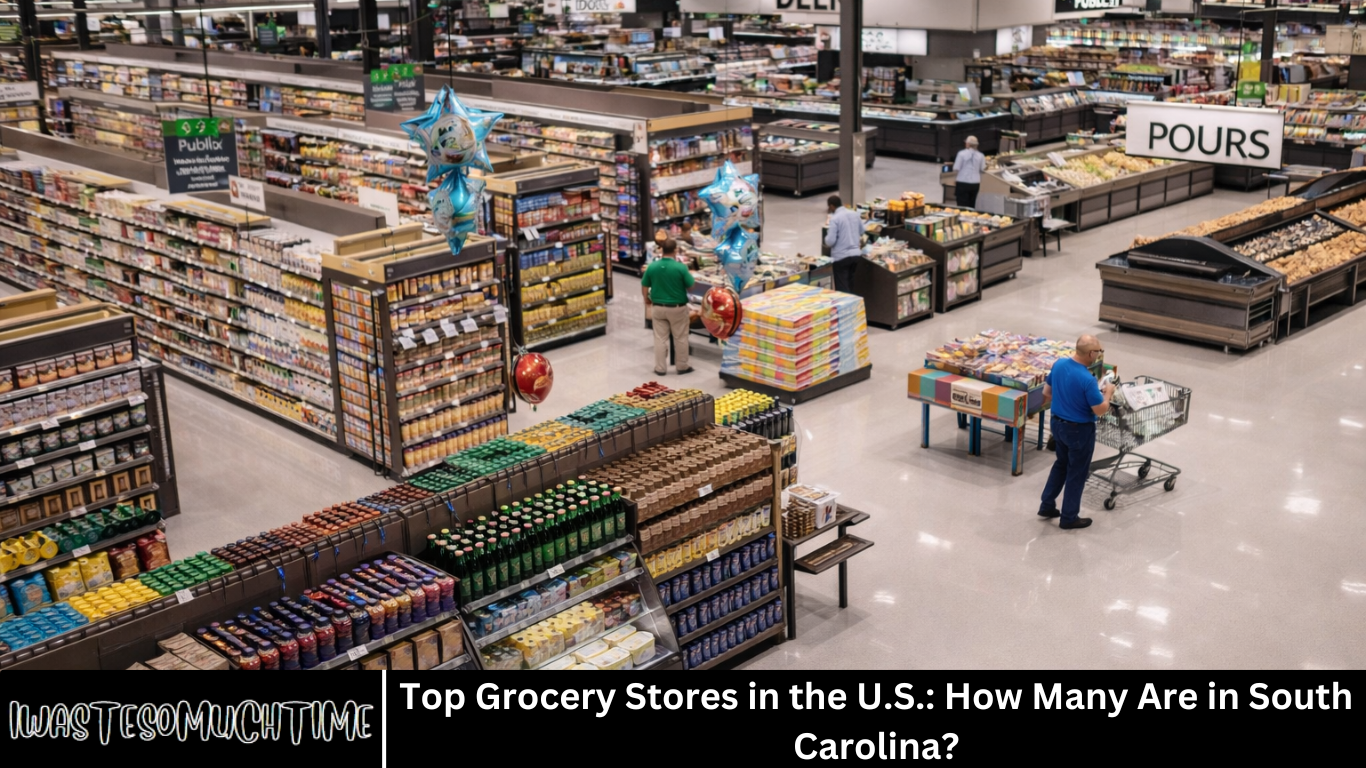
Table of Contents
Grocery shopping is more than just buying food. It represents convenience, quality, and value for families and individuals. Across the United States, grocery stores have evolved from simple markets to comprehensive shopping destinations. From organic produce and locally sourced goods to ready-to-eat meals and household essentials, grocery stores have become integral to daily life.
For South Carolina residents, knowing which grocery stores rank among the best in the nation can improve shopping experiences and even influence lifestyle choices. This article explores top grocery stores in the U.S. and investigates how many of them operate in South Carolina.
The Rise of Grocery Stores in America
Grocery stores in the U.S. have transformed dramatically over the last century. Early markets were small, local shops offering basic staples like flour, sugar, and fresh produce. As cities grew and populations became more mobile, supermarkets emerged, offering larger selections under one roof.
Today, grocery stores compete on quality, pricing, convenience, and unique offerings like organic sections, meal kits, and specialty international foods. Consumers no longer focus solely on cost; they value the shopping experience, sustainability, and product variety.
South Carolina has seen this trend firsthand. From the bustling urban centers in Charleston and Columbia to smaller towns like Greenville and Spartanburg, grocery stores cater to diverse demographics. National chains, regional supermarkets, and specialty stores coexist, providing residents with options that reflect personal preferences, dietary needs, and lifestyle choices.
More Read: 18 Top Free AI Courses You Can Take Online
Top Grocery Stores in the U.S.
Several organizations, research groups, and consumer surveys rank grocery stores based on customer satisfaction, product quality, pricing, and innovation. Among the most frequently cited top grocery stores in the U.S. are:
1. Trader Joe’s
Trader Joe’s consistently earns high marks for customer satisfaction. Known for unique private-label products, affordable pricing, and friendly store staff, Trader Joe’s offers organic, vegan, and international food selections. Its distinct culture, including fun product labels and an approachable shopping environment, has built a loyal customer base.
2. Whole Foods Market
Whole Foods, now owned by Amazon, prioritizes organic, non-GMO, and high-quality foods. Known for fresh produce, meat, and prepared foods, Whole Foods attracts health-conscious shoppers. Many stores offer in-store dining options and specialty sections such as vegan products, artisanal cheeses, and sustainable seafood.
3. Wegmans
Wegmans, primarily located in the Northeast, has received praise for its store layouts, customer service, and wide variety of products. This grocery chain is known for in-store cafes, ready-to-eat meals, and fresh bakery items. Wegmans emphasizes employee satisfaction, which translates into a better customer experience.
4. Publix
Publix, a Southern favorite, earns high rankings for customer service, cleanliness, and quality. It is employee-owned, which fosters a culture of care and responsibility. Publix offers a mix of private-label and national brand products, pharmacy services, and online ordering with curbside pickup.
5. H-E-B
H-E-B is a Texas-based chain expanding its reputation for quality, value, and community involvement. Customers enjoy fresh produce, prepared meals, and unique private-label products. H-E-B often ranks highly for store cleanliness, product variety, and pricing.
6. Kroger
Kroger remains one of the largest grocery chains in the U.S., offering grocery, pharmacy, and household essentials. The chain emphasizes affordability, rewards programs, and store innovations such as self-checkout and online ordering with delivery options.
7. Aldi
Aldi, a German-based chain, focuses on efficiency and cost savings. Limited product selection allows the store to offer low prices without sacrificing quality. Aldi has gained popularity among budget-conscious shoppers who seek fresh produce, bakery items, and everyday staples.
Grocery Store Rankings Criteria
Evaluating grocery stores involves several factors. Consumer surveys, online reviews, and market research consider:
-
Product Quality: Freshness of produce, meats, dairy, and packaged goods.
-
Customer Service: Staff helpfulness, friendliness, and responsiveness.
-
Price Value: Competitiveness of pricing relative to product quality.
-
Store Experience: Layout, cleanliness, accessibility, and convenience.
-
Specialty Offerings: Organic, gluten-free, international, and ready-to-eat products.
-
Innovation: Technology adoption like mobile apps, online ordering, and delivery options.
These criteria help identify top-performing grocery stores that cater to modern consumer expectations.
South Carolina Grocery Scene
South Carolina residents have access to many of the nation’s top grocery stores. The state hosts a mix of national chains, regional favorites, and specialty stores, offering convenience, quality, and variety. Key cities like Charleston, Columbia, Greenville, and Myrtle Beach have dense concentrations of grocery stores.
Publix Presence
Publix stands out as the most prominent grocery chain in South Carolina. With dozens of stores statewide, residents benefit from consistent quality, pharmacy services, and accessible locations. Publix’s private-label brands and prepared foods make it a popular choice for families and working professionals.
Whole Foods Market in South Carolina
Whole Foods operates several stores in major South Carolina cities. Shoppers enjoy fresh organic produce, meat, seafood, and specialty items. Whole Foods stores often host community events, cooking classes, and wellness programs, enhancing the shopping experience beyond traditional groceries.
Trader Joe’s in South Carolina
Trader Joe’s has a smaller footprint in South Carolina, primarily in metropolitan areas. Its niche products, affordable prices, and unique shopping experience attract loyal shoppers. Trader Joe’s continues to expand cautiously, maintaining quality and personalized service.
Regional and Local Favorites
South Carolina also offers strong regional chains like BI-LO, Food Lion, and Harris Teeter. Harris Teeter, in particular, provides high-quality fresh produce, bakery items, and a strong online shopping platform. These stores complement national chains by offering local preferences and competitive pricing.
Specialty Stores
Specialty grocery stores focusing on organic, international, or gourmet products have grown in popularity. Stores such as Earth Fare, Fresh Market, and local co-ops cater to health-conscious and niche markets, offering alternatives to large national chains.
How Many Top Grocery Stores Operate in South Carolina?
Based on national rankings and regional presence:
-
Publix: Over 100 stores across South Carolina.
-
Whole Foods Market: 3–5 major stores in cities like Charleston, Greenville, and Columbia.
-
Trader Joe’s: 2–3 locations in key metropolitan areas.
-
Harris Teeter: Approximately 70–80 stores statewide.
-
Wegmans: No current presence in South Carolina, though expansion plans exist.
-
Aldi: Around 40–50 locations spread across urban and suburban areas.
South Carolina residents enjoy access to several of the country’s top-rated grocery stores, particularly Publix and Harris Teeter. While chains like Wegmans remain absent, regional stores and specialty markets ensure a competitive and diverse grocery landscape.
Why South Carolina Residents Prefer Certain Grocery Stores
Consumer preferences in South Carolina align with several factors:
-
Convenience: Urban areas host grocery stores within short driving distances.
-
Product Variety: Shoppers expect fresh produce, organic options, and international foods.
-
Quality and Freshness: Local sourcing and daily fresh produce matter to residents.
-
Pricing: Competitive pricing and loyalty programs influence store selection.
-
Experience: Clean stores, friendly staff, and easy navigation enhance satisfaction.
The combination of these factors explains why Publix, Harris Teeter, and Whole Foods rank highly in South Carolina.
Trends Shaping Grocery Stores in South Carolina
Several trends are shaping the grocery industry in South Carolina:
-
E-commerce Growth: Online grocery shopping and home delivery are increasingly popular.
-
Health-Conscious Choices: Organic, gluten-free, and plant-based products drive consumer demand.
-
Sustainable Practices: Eco-friendly packaging, local sourcing, and energy-efficient stores attract environmentally conscious shoppers.
-
Technology Integration: Mobile apps, self-checkout, and digital loyalty programs enhance customer experience.
-
Community Engagement: Stores hosting local events, cooking classes, or wellness programs strengthen customer loyalty.
These trends reflect national patterns while responding to South Carolina’s specific consumer preferences.
Frequently Asked Question
What are the top grocery store chains in the U.S.?
Major chains include Walmart, Kroger, Costco, Aldi, Publix, Whole Foods, and Target.
Which grocery stores are most common in South Carolina?
Walmart, Publix, Food Lion, Aldi, and Kroger-owned stores are the most common.
How many grocery stores are in South Carolina overall?
South Carolina has hundreds of grocery stores statewide, including national chains and local markets.
How many Publix stores are in South Carolina?
There are 70+ Publix locations across the state.
Does South Carolina have Kroger stores?
Traditional Kroger stores are limited, but Kroger-owned brands and services operate in the state.
Are discount grocery stores popular in South Carolina?
Yes, Aldi and Walmart are very popular due to lower prices.
Are there local or regional grocery chains in South Carolina?
Yes, Food Lion and independent regional markets are widely present.
Conclusion
South Carolina offers a strong mix of top U.S. grocery store chains, combining nationwide leaders like Walmart, Publix, Aldi, and Food Lion with regional and local options. While some major brands have a limited footprint, the state still provides widespread access to affordable, specialty, and full-service grocery stores.
Overall, the number and variety of grocery stores in South Carolina reflect the broader U.S. grocery landscape, giving residents plenty of choices to meet different shopping needs and budgets.

Table of Contents
Artificial intelligence (AI) continues reshaping industries, creating new opportunities, and redefining the future of work. For anyone looking to advance skills, AI knowledge is essential. Fortunately, online platforms offer high-quality courses for free.
These courses cover a wide range of AI topics, including machine learning, deep learning, natural language processing, computer vision, and AI ethics. This guide explores 18 top free AI courses that provide hands-on experience, comprehensive learning, and practical applications. Each course caters to beginners, intermediate learners, or advanced practitioners.
1. AI For Everyone – Coursera
Provider: Coursera
Instructor: Andrew Ng
Level: Beginner
Duration: 6 hours
Andrew Ng’s AI For Everyone course provides a non-technical introduction to AI. The course explains AI applications across industries, helping learners understand AI’s potential without requiring programming experience. Key concepts include AI strategy, workflow integration, and future trends.
Highlights:
-
Understand AI terminology
-
Learn how to navigate AI implementation in business
-
No coding required
More Read: Texans’ Defense Powers Team Past Steelers Into Divisional Round
2. Machine Learning – Coursera
Provider: Coursera
Instructor: Andrew Ng
Level: Beginner to Intermediate
Duration: 55 hours
This classic course introduces machine learning fundamentals. It covers supervised learning, unsupervised learning, neural networks, and practical algorithms. Students gain hands-on experience using Octave or MATLAB.
Highlights:
-
Regression, classification, clustering
-
Real-world projects
-
Strong focus on mathematical intuition
3. Deep Learning Specialization – Coursera
Provider: Coursera
Instructor: Andrew Ng
Level: Intermediate
Duration: 3 months
The Deep Learning Specialization consists of multiple modules focusing on neural networks, CNNs, sequence models, and deep learning strategies. Learners practice building AI models in Python using TensorFlow and Keras.
Highlights:
-
Deep dive into neural networks
-
Hands-on coding exercises
-
Certificate option available
4. Elements of AI – University of Helsinki
Provider: University of Helsinki
Level: Beginner
Duration: 30 hours
Elements of AI blends theory with practical exercises. It targets beginners seeking foundational knowledge. The course explores AI concepts, societal impact, and problem-solving applications.
Highlights:
-
Easy-to-understand explanations
-
Interactive exercises
-
Focus on AI ethics and real-world examples
5. Intro to Artificial Intelligence – Udacity
Provider: Udacity
Level: Beginner to Intermediate
Duration: 3 months
This course introduces AI concepts and algorithms using Python. Topics include search algorithms, logic, probabilistic reasoning, and machine learning.
Highlights:
-
Hands-on programming exercises
-
Real-world AI applications
-
Ideal for career-oriented learners
6. CS50’s Introduction to Artificial Intelligence with Python – Harvard
Provider: edX
Level: Intermediate
Duration: 10 weeks
Harvard’s CS50 AI course teaches AI principles with Python. Learners explore machine learning, neural networks, and natural language processing through engaging projects.
Highlights:
-
Strong coding emphasis
-
Problem-solving through real-world projects
-
Access to Harvard’s course materials for free
7. AI Programming with Python – Udacity
Provider: Udacity
Level: Beginner to Intermediate
Duration: 3 months
Learn Python for AI applications, including NumPy, Pandas, Matplotlib, and neural networks. Ideal for beginners aiming to enter AI programming.
Highlights:
-
Covers Python basics for AI
-
Build simple neural networks
-
Hands-on coding exercises
8. Artificial Intelligence: Reinforcement Learning in Python – Udemy
Provider: Udemy
Instructor: Lazy Programmer Inc.
Level: Intermediate
Duration: 10 hours
This course covers reinforcement learning algorithms like Q-learning and Deep Q-learning. Practical examples help learners apply techniques in real scenarios.
Highlights:
-
Focus on reinforcement learning
-
Python-based examples
-
Step-by-step coding tutorials
9. Artificial Intelligence Foundations: Machine Learning – LinkedIn Learning
Provider: LinkedIn Learning
Instructor: Doug Rose
Level: Beginner
Duration: 2 hours
This course introduces machine learning concepts, algorithms, and workflows. Learners understand AI problem-solving strategies and how to implement them.
Highlights:
-
Short, concise lessons
-
Beginner-friendly
-
Covers core AI concepts
10. Practical Deep Learning for Coders – Fast.ai
Provider: Fast.ai
Level: Intermediate to Advanced
Duration: 7 weeks
Fast.ai offers practical deep learning courses with Python and PyTorch. Students build AI models for computer vision, NLP, and structured data tasks.
Highlights:
-
Hands-on approach
-
Minimal math background required
-
Strong community support
11. AI For Everyone – Udemy
Provider: Udemy
Instructor: Kirill Eremenko
Level: Beginner
Duration: 5 hours
Designed for non-technical learners, this course introduces AI, machine learning, and data science. It explains AI use in industries and helps learners identify AI opportunities.
Highlights:
-
No coding required
-
Industry case studies
-
Practical AI understanding
12. Deep Learning with Python and PyTorch – edX
Provider: edX
Level: Intermediate
Duration: 6 weeks
Focus on deep learning with Python and PyTorch. Learners explore CNNs, RNNs, and AI model optimization techniques.
Highlights:
-
Hands-on coding exercises
-
PyTorch framework focus
-
Project-driven learning
13. Introduction to TensorFlow for Artificial Intelligence – Coursera
Provider: Coursera
Level: Beginner to Intermediate
Duration: 4 weeks
Learn TensorFlow fundamentals to build AI models. The course covers neural networks, image recognition, and predictive analytics.
Highlights:
-
TensorFlow practical applications
-
Beginner-friendly
-
Project-based learning
14. Applied Data Science with Python Specialization – Coursera
Provider: Coursera
Level: Intermediate
Duration: 5 months
While focused on data science, this course includes machine learning and AI applications. Students learn data analysis, visualization, and predictive modeling using Python.
Highlights:
-
Real-world AI applications
-
Hands-on coding projects
-
Python and machine learning integration
15. AI For Business – edX
Provider: edX
Level: Beginner
Duration: 4 weeks
This course targets business professionals seeking AI knowledge. It covers AI use cases, strategy, and impact on operations.
Highlights:
-
Focus on AI in business
-
Non-technical introduction
-
Case studies from real companies
16. Introduction to Machine Learning – Kaggle
Provider: Kaggle
Level: Beginner
Duration: Self-paced
Kaggle’s course provides hands-on experience with Python, pandas, and scikit-learn. Learners explore machine learning techniques using real datasets.
Highlights:
-
Interactive coding exercises
-
Focus on applied machine learning
-
Use of real-world datasets
17. AI in Healthcare – Coursera
Provider: Coursera
Level: Intermediate
Duration: 4 weeks
Specialized course exploring AI applications in healthcare. Topics include medical imaging, predictive analytics, and patient data management.
Highlights:
-
Healthcare-focused AI applications
-
Case studies and practical examples
-
Understand ethical implications
18. Natural Language Processing with Classification and Vector Spaces – Coursera
Provider: Coursera
Level: Intermediate
Duration: 4 weeks
Learn NLP fundamentals, including text processing, classification, and vector representations. Practical projects include sentiment analysis and document classification.
Highlights:
-
Hands-on NLP applications
-
Text data processing
-
Python-based implementation
Why Free AI Courses Matter
Free AI courses provide accessible education, removing financial barriers for learners worldwide. They offer:
-
Skill Development: Build foundational and advanced AI skills.
-
Career Advancement: Enhance resumes with in-demand AI knowledge.
-
Hands-On Experience: Many courses include projects and coding exercises.
-
Industry Insights: Learn real-world AI applications and ethical considerations.
By taking these courses, learners can stay competitive in AI-related fields, ranging from machine learning engineering to data analysis, NLP, and computer vision.
Frequently Asked Questions
What are the best free AI courses online?
Some top courses include AI For Everyone, Machine Learning by Andrew Ng, Elements of AI, CS50 AI, and Fast.ai Deep Learning.
Do these courses require coding experience?
Not all. Courses like AI For Everyone require no coding, while CS50 AI and Fast.ai involve Python programming.
How long do free AI courses take?
Course lengths vary from 2–6 hours for beginner introductions to several months for in-depth specializations.
Can I get a certificate for free?
Some platforms like Coursera and edX offer free access to course content, but certificates may require payment. Some courses provide free certificates upon completion.
Which course is best for beginners?
AI For Everyone, Elements of AI, and AI for Business are beginner-friendly with no programming required.
Are these courses practical for career growth?
Yes. They teach machine learning, deep learning, NLP, and AI applications, which are highly relevant for tech careers.
Can I learn AI without a technical background?
Absolutely. Several courses focus on concepts, ethics, and business applications, making AI accessible to non-technical learners.
Conclusion
AI knowledge is no longer optional; it is essential for professionals across industries. Free AI courses online offer opportunities to learn at your own pace, gain practical skills, and advance your career without financial investment.
From beginner-friendly introductions to advanced deep learning and NLP, these 18 courses provide comprehensive learning pathways for anyone interested in artificial intelligence. Start exploring today and transform your understanding of AI.

Table of Contents
The Houston Texans delivered a stunning performance as their defense dominated the Pittsburgh Steelers, propelling the team into the divisional round of the playoffs. From the first snap to the final whistle, the Texans showcased a level of intensity, strategy, and execution that left fans and analysts talking.
Their ability to disrupt the Steelers’ offense, force turnovers, and control the pace of the game proved decisive, highlighting the growing identity of Houston as a defensive powerhouse. This victory signals a turning point for the franchise, emphasizing that a well-coordinated, relentless defense can determine playoff success in ways even the most potent offenses struggle to overcome.
Dominance From the First Snap
The Texans came out with purpose. Defensive coordinator Lovie Smith’s game plan clearly focused on applying constant pressure on Steelers quarterback, limiting his time in the pocket, and closing running lanes. Early on, it became evident that Pittsburgh’s offensive line could not handle Houston’s defensive front. Multiple blitz packages and stunts caused confusion, disrupted timing, and led to hurried throws.
The Texans’ defensive line was relentless, attacking gaps aggressively and preventing the Steelers from establishing any rhythm. Within the first quarter, Houston forced a crucial three-and-out, setting the tone for the rest of the game. Linebackers played a crucial role, reading Pittsburgh’s plays quickly and reacting decisively.
Their sideline-to-sideline speed ensured that no running back could find open lanes, while their physical tackling set a standard that the Steelers struggled to meet. In the secondary, cornerbacks and safeties maintained tight coverage, breaking up passes and forcing the Steelers into risky throws. Each play seemed to build on the previous one, creating a compounding effect that frustrated Pittsburgh and energized Houston.
More Read: The Best-Dressed Celebrities at the 2026 Golden Globes
Turnovers and Game-Changing Plays
Turnovers often determine playoff outcomes, and the Texans capitalized on every opportunity. By the second quarter, Houston’s defense had already forced multiple fumbles and an interception, swinging momentum decisively in their favor. Defensive end Jonathan Greenard exemplified the team’s aggressiveness, stripping the ball from key Steelers players at critical moments.
Safety Justin Reid demonstrated remarkable anticipation and football IQ, intercepting a pass intended for the Steelers’ wide receiver and returning it for significant yardage. These turnovers translated into scoring opportunities. The Texans’ offense, though effective in its own right, relied heavily on the defense to set up favorable field position.
Each takeaway not only halted Pittsburgh’s drive but also provided Houston with a chance to extend its lead. Red zone efficiency became a hallmark of the Texans’ playoff performance, showcasing a team effort that balanced defensive dominance with opportunistic offense.
Strategic Execution Against a Tough Opponent
Pittsburgh entered the game with one of the league’s most balanced offensive attacks. Quarterback Kenny Pickett has demonstrated poise under pressure all season, while the Steelers’ running game has consistently worn down opposing defenses. Houston’s preparation, however, neutralized these strengths. Film study, practice repetitions, and tactical discipline allowed the Texans to anticipate formations, adjust coverage, and disguise blitzes effectively.
The coaching staff emphasized situational awareness, teaching players when to collapse the pocket, when to drop into coverage, and how to read the quarterback’s eyes before the snap. Execution of these strategies in a high-pressure playoff environment speaks volumes about the team’s preparation and mental toughness. The Texans also adapted in real-time.
Pittsburgh tried various trick plays and motion schemes to create mismatches, but Houston’s defense remained disciplined. Communication across the secondary ensured no wide receiver found open space, while linebackers adjusted to misdirection and screen passes with precise timing.
This adaptability showcased a defense that functions as a cohesive unit, rather than relying on individual talent alone. Analysts noted that such coordination is rare in playoff matchups, highlighting Houston’s defensive maturity.
Impact on Team Identity and Morale
Winning in the playoffs often defines a franchise’s identity. For the Texans, this victory solidifies a reputation as a team capable of thriving through defensive mastery. Historically, Houston has struggled to achieve consistency in the postseason.
However, this performance demonstrates that when the defense operates at peak efficiency, the team can compete with elite opponents. Morale across the roster surged after the game, with players praising the defensive unit’s toughness and resilience. Veteran leadership, combined with emerging talent, created a culture of accountability and confidence, providing a foundation for future playoff runs.
Fans responded enthusiastically, recognizing that the defense’s dominance reflects a commitment to winning beyond flashy offensive stats. Community engagement increased, and social media buzz highlighted individual performances, defensive highlights, and key strategic plays. This collective excitement reinforces the franchise’s public perception as a team on the rise, capable of challenging established contenders.
Statistical Breakdown
The numbers tell the story clearly. Houston held Pittsburgh to under 250 total yards, an impressive feat against a playoff-caliber offense. Quarterback pressures and sacks were notable, with multiple defenders recording significant impact plays. Turnovers included one interception and two forced fumbles, all converted into scoring drives.
Third-down efficiency for the Steelers plummeted, as Houston consistently forced three-and-outs or short-yardage situations. Red zone defense was nearly flawless, limiting Pittsburgh to only one touchdown despite multiple drives inside the 20-yard line. The cumulative effect of these statistics underscores Houston’s defensive dominance and strategic execution.
Offensively, the Texans capitalized on short fields created by turnovers, running a balanced attack that mixed effective passing with controlled rushing plays. Quarterback C.J. Stroud displayed poise, converting key third downs and avoiding critical mistakes under pressure.
Wide receivers and tight ends executed routes crisply, making reliable catches that sustained drives. The synergy between offensive efficiency and defensive excellence created a formula for playoff success, demonstrating that Houston’s victory was the product of total team performance.
Key Players and Defensive Standouts
Several Texans players delivered standout performances. Linebacker Christian Harris showed versatility and instinct, shutting down running lanes while dropping into coverage to disrupt passing plays. Defensive tackle Maliek Collins controlled the interior line, occupying blockers and creating pressure that allowed teammates to make plays.
Cornerback Derek Stingley Jr. played with precision, locking down receivers and preventing big plays that could have swung momentum. Safety Justin Reid’s interception and ball-hawking instincts exemplified situational awareness, providing a momentum-changing highlight that energized both teammates and fans.
Defensive cohesion extended beyond star performances. Rotational players contributed significantly, demonstrating depth and preparedness. Houston’s defensive scheme allowed substitutions without loss of intensity, ensuring fresh legs could maintain pressure throughout the game. This depth proves critical for the long playoff grind, as injuries or fatigue can dramatically affect outcomes in high-stakes matchups.
Coaching Excellence and Preparation
Head coach DeMeco Ryans and defensive coordinator Lovie Smith deserve significant credit for the Texans’ playoff success. Ryans’ vision for a disciplined, aggressive, and adaptive defense came to fruition during the game. His leadership instilled confidence across all units, emphasizing accountability, effort, and execution.
Smith’s experience and tactical knowledge translated into precise game planning, allowing Houston to exploit Pittsburgh’s weaknesses effectively. Pre-game preparation was meticulous. Film analysis, situational drills, and simulated pressure scenarios ensured players were ready for a wide range of challenges.
In-game adjustments reflected a deep understanding of opponent tendencies, with the coaching staff communicating effectively from the sidelines to fine-tune coverage, blitz packages, and alignment. Such strategic foresight is essential in the playoffs, where small margins often determine victory or defeat.
Broader Implications for Playoff Outlook
Advancing to the divisional round opens new opportunities for the Texans. Their defensive identity will remain central to success, as future opponents will struggle to replicate offensive efficiency against a well-drilled, high-pressure unit. Houston now faces the challenge of maintaining intensity while preparing for a higher-caliber divisional opponent.
Analysts project that the defense’s ability to create turnovers and disrupt timing will continue to be a critical factor in playoff matchups. Beyond immediate outcomes, this victory influences long-term team trajectory. Player development, particularly for young defensive stars, benefits from high-pressure playoff experience.
Veterans gain confidence in executing complex schemes under stress, while emerging talents learn the nuances of situational awareness and in-game adaptability. For management, the performance validates investment in defensive talent and coaching infrastructure, providing a blueprint for sustained competitiveness.
Fan Reactions and Cultural Impact
Fans and media celebrated the Texans’ victory, with social media highlights and expert analysis focusing heavily on defensive mastery. Houston’s community responded with enthusiasm, viewing the win as a reflection of the team’s resilience, preparation, and identity.
Merchandise sales, ticket interest, and local engagement spiked in response, reinforcing the cultural impact of playoff success. For a franchise seeking a consistent identity, defensive excellence offers a unifying narrative that fans and players alike can rally behind.
Cultural narratives around the team emphasize grit, toughness, and smart execution. These themes resonate strongly with playoff audiences and build long-term engagement. By dominating through defense, Houston positions itself not merely as a contender but as a team committed to a disciplined and intelligent style of football that can succeed in high-pressure scenarios.
Frequently Asked Questions
Who led the Texans’ defense against the Steelers?
Linebackers Christian Harris and defensive end Jonathan Greenard played key roles, with standout contributions from safety Justin Reid and cornerback Derek Stingley Jr.
What was the final result of the game?
The Texans defeated the Steelers, advancing to the divisional round of the playoffs.
How did the Texans’ defense dominate the game?
By applying relentless pressure on the quarterback, forcing turnovers, and shutting down both the passing and running game.
How many turnovers did the Texans’ defense create?
The defense recorded multiple turnovers, including at least one interception and two forced fumbles.
What role did coaching play in the win?
Head coach DeMeco Ryans and defensive coordinator Lovie Smith implemented strategic game plans and in-game adjustments that neutralized Pittsburgh’s offense.
How did the defense impact the Texans’ playoff chances?
The defense’s dominance secured the win and created momentum, positioning Houston strongly for the divisional round.
Which players should fans watch in the divisional round?
Safety Justin Reid, linebackers Christian Harris and Jonathan Greenard, and cornerback Derek Stingley Jr. are key defensive threats to watch.
Conclusion
The Houston Texans’ victory over the Pittsburgh Steelers in the playoff game represents more than just a single win. It embodies the power of disciplined, strategic, and relentless defense, showcasing how a well-coordinated unit can dominate high-caliber opponents.
From the first snap to the final whistle, the Texans demonstrated preparation, adaptability, and execution at an elite level. Turnovers, pressure, and disciplined coverage defined the game, while coaching excellence and player performance reinforced the team’s identity.

How RTP and Volatility Impact Slot Gacor Performance
Bola Slot – Ultimate Online Gambling Experience

McDonald’s Bets on Bigger Burgers and Nostalgia—US Release Uncertain

15+ Funny Cat Memes To Play With (+ Ember Tax, Of Course)

Weekly Dose of Wholesome Memes to Take it Easy

18 Top Free AI Courses You Can Take Online
-
 Funny Memes2 years ago
15+ Funny Cat Memes To Play With (+ Ember Tax, Of Course)
-
 Funny Memes2 years ago
Weekly Dose of Wholesome Memes to Take it Easy
-
 Best3 months ago
18 Top Free AI Courses You Can Take Online
-

 Best3 months ago
Texans’ Defense Powers Team Past Steelers Into Divisional Round
-

 Random3 months ago
Top 25 Public Golf Courses with Premier Amenities – 2026 Golfers’ Choice
-

 Random3 months ago
Ford Bronco RTR Delivers Raptor-Level Off-Road Upgrades for Less
-

 videos3 months ago
Celebration Cinema to Launch Restaurant and Bar at Rivertown Crossings Mall
-

 videos3 months ago
Woman filmed allegedly blocking Minnesota ICE operation amid protests